Suburban Transfer
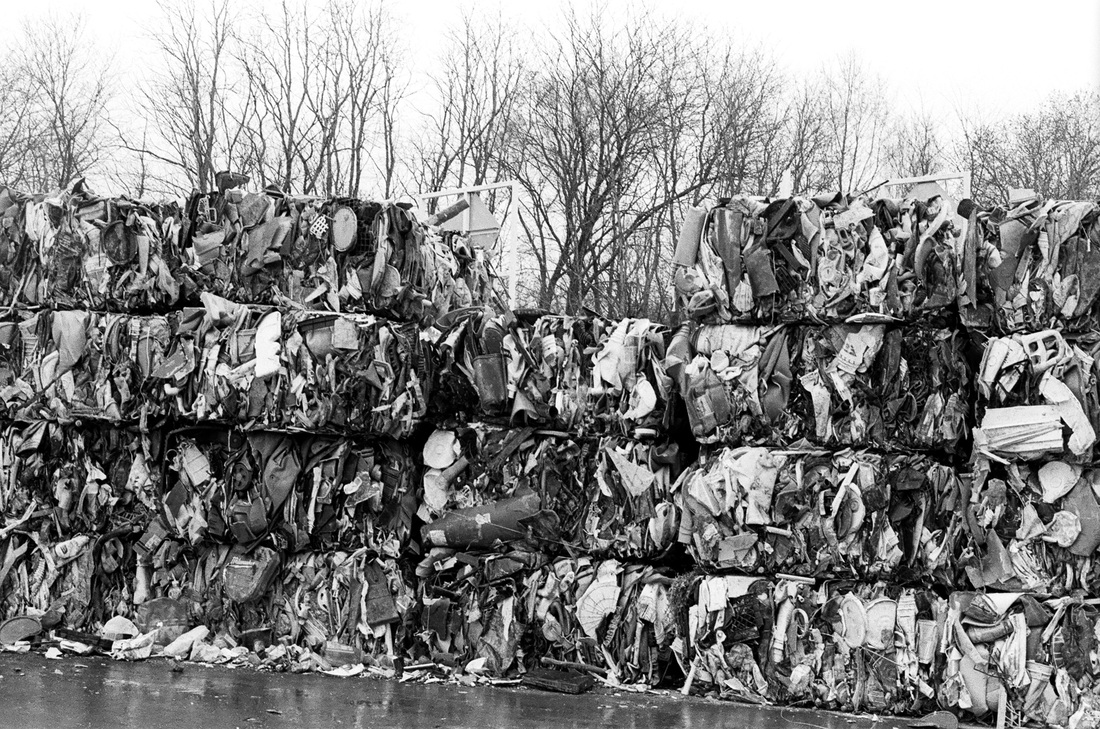
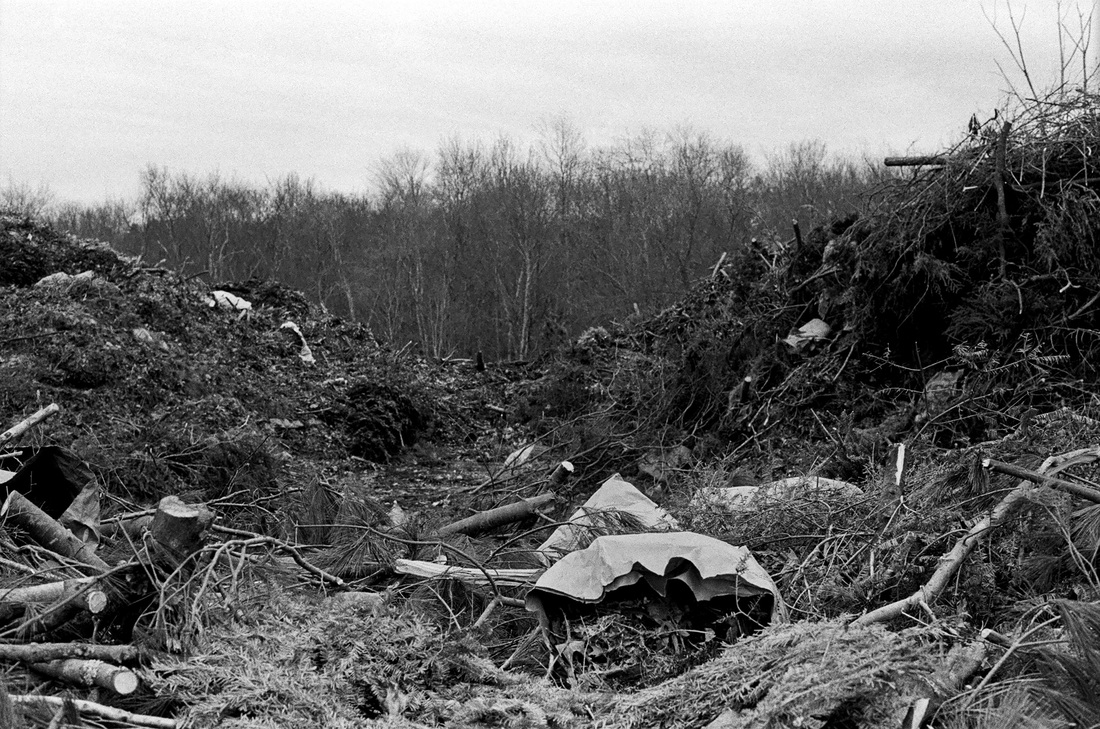

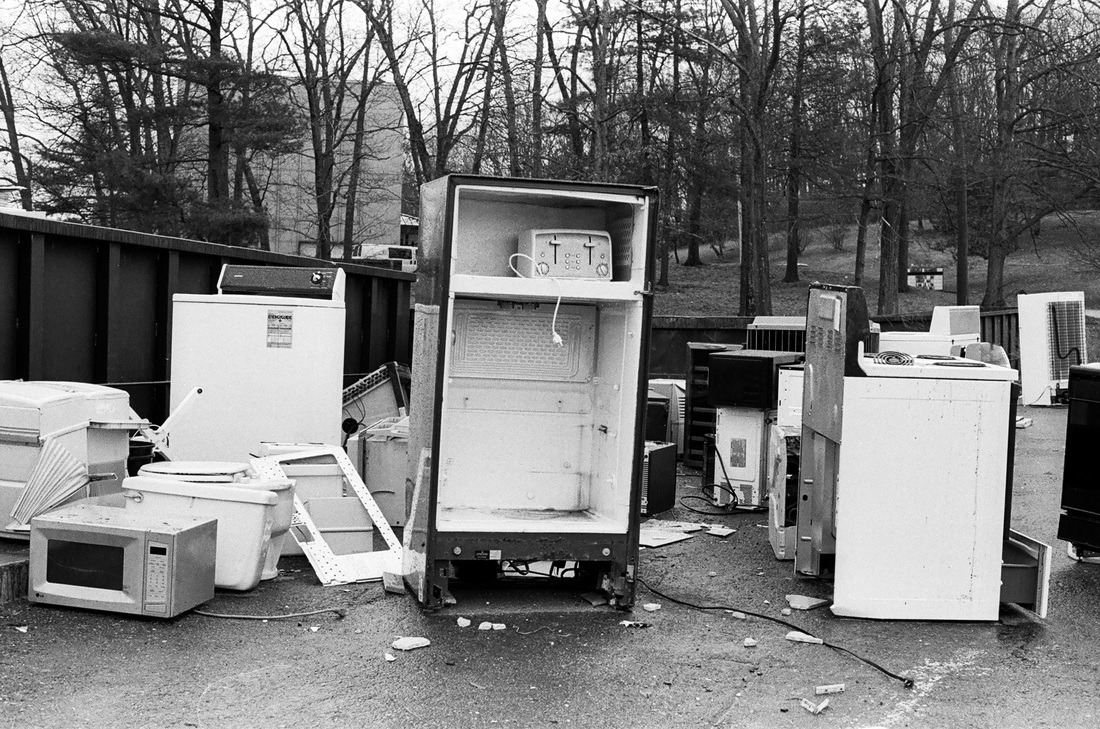
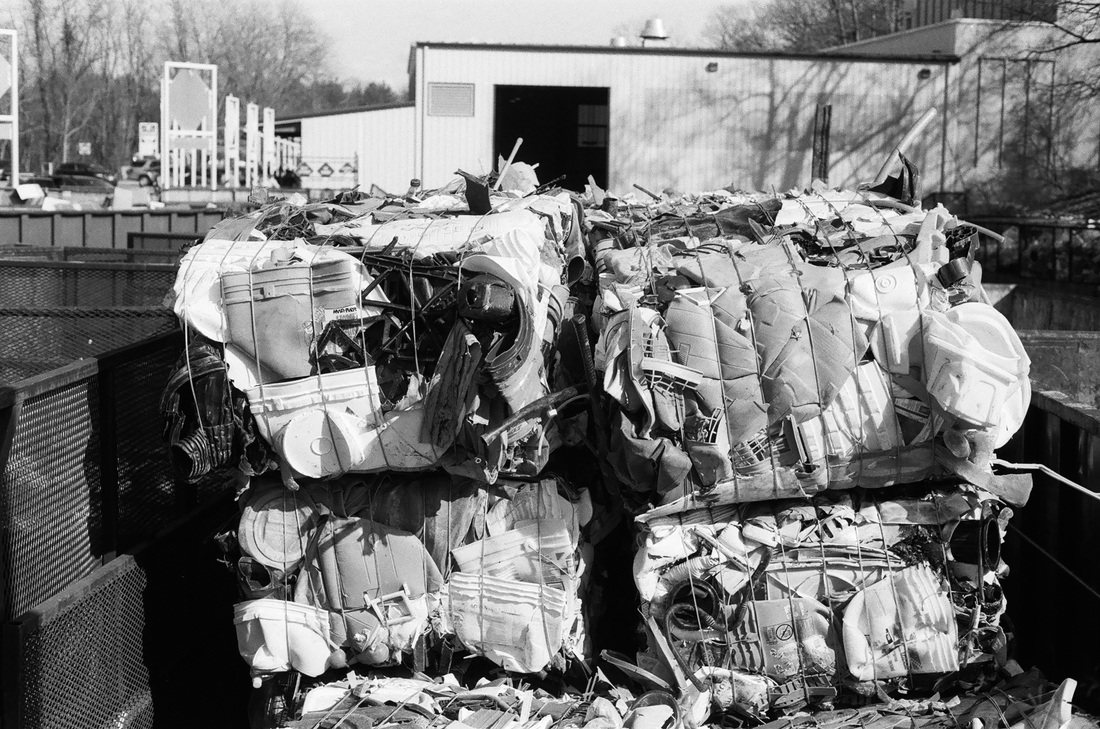
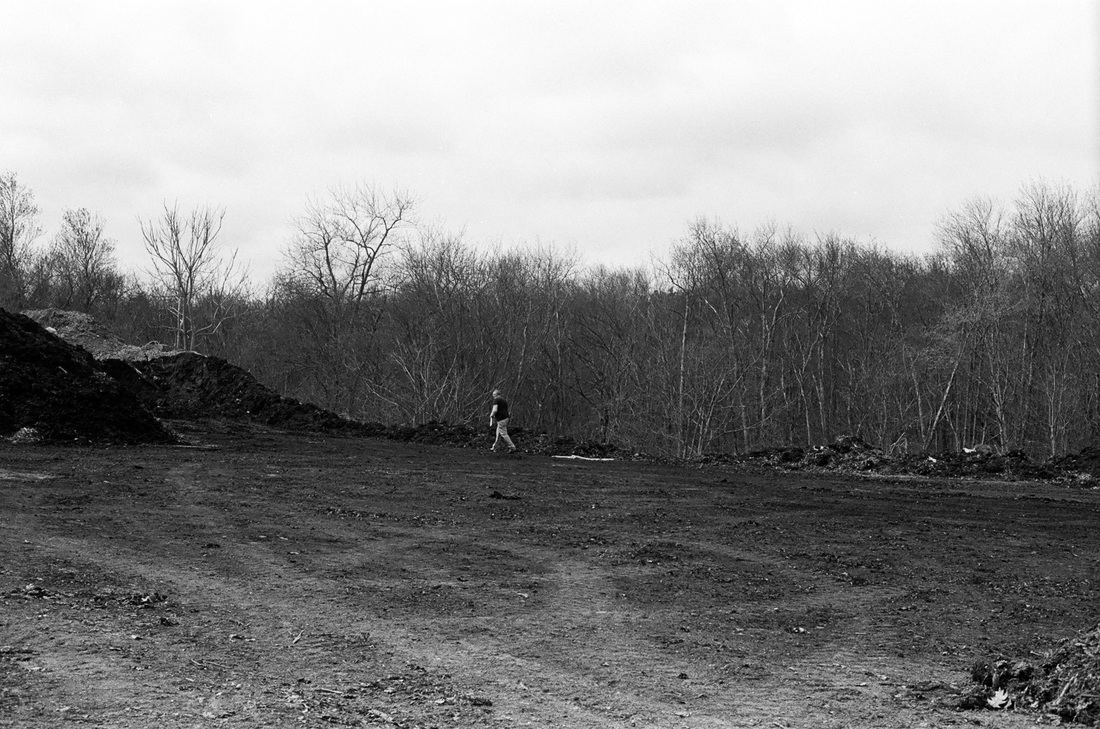

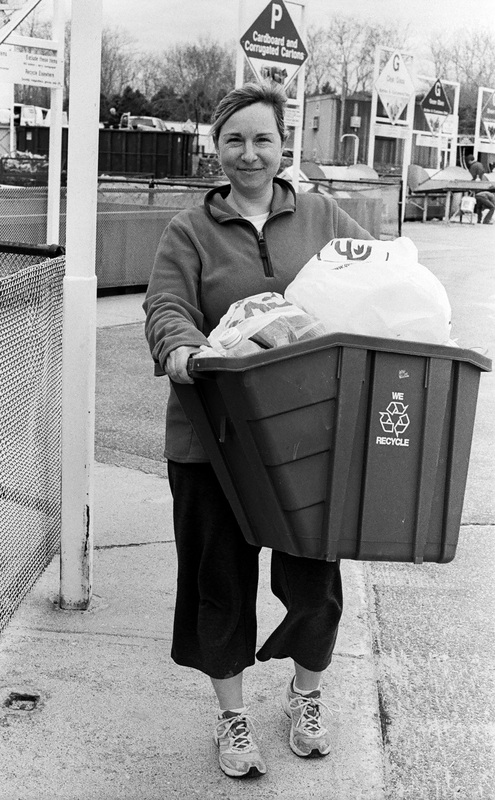
Suburban Transfer. Fall 2010. Nikon FM2 camera and Ilford HP5 ISO 400 black & white film. Wellesley, MA.
I often feel jealous of my mom for being my age during the environmentalist movement of the 1970s. When she was in college, environmentalism meant reading Silent Spring and The Monkey Wrench Gang, literally hugging trees to prevent deforestation during the Chipko movement in India, and the beginning of the Environmental Protection Agency and the Endangered Species Act. I romanticize the excitement of this time and the thrill of fighting "the man" to save the natural world from the terrors of capitalism. Yet this is not how environmentalism actually functions today. Rather, it operates within the system of government.
Today, environmental organizations cooperate and collaborate with major corporations, companies, and governments to achieve progress. Environmentalism becomes de-radicalized as it infiltrates mainstream society through compostable cutlery, recycling, energy-saving laundry machines, hybrid SUVs, etc. Rather than attempting to slow our consumption and change the capitalist system that relies upon it, new environmentalism asks us to think with our wallets. The result is a compromise - there are fewer radical environmentalists taking extreme actions and more environmentally conscious people taking smaller individual actions. A new brand of environmentalism emerges, emphasizing cooperation and conscious consumption over radical action.
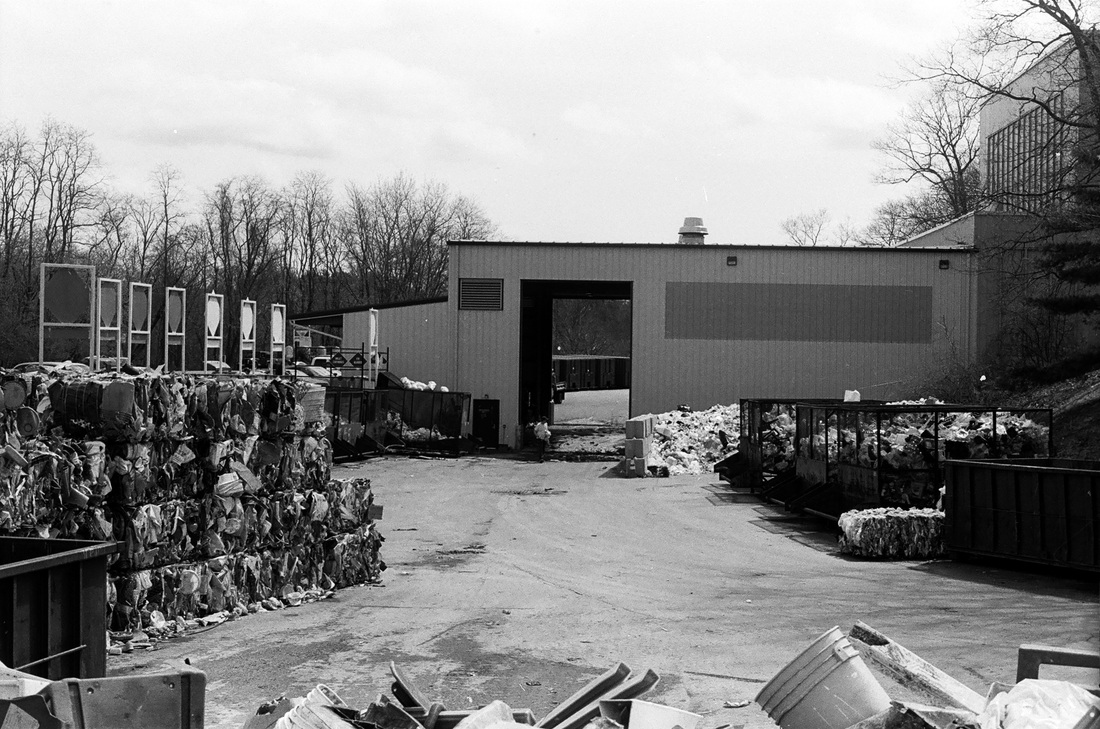
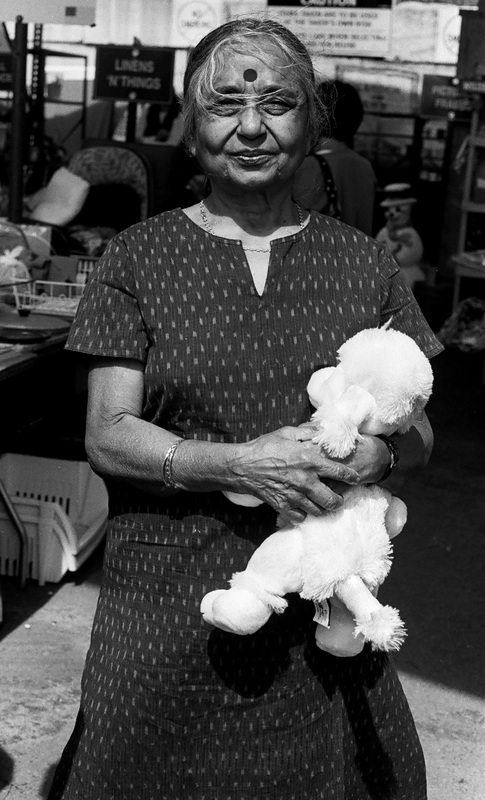
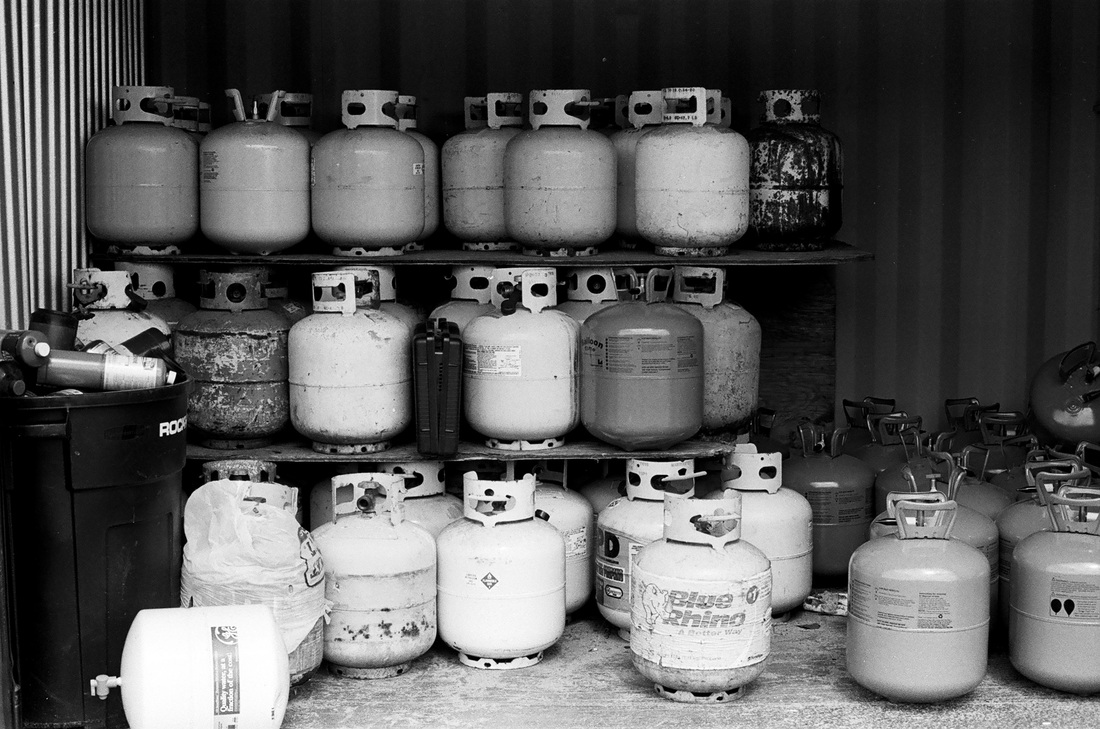
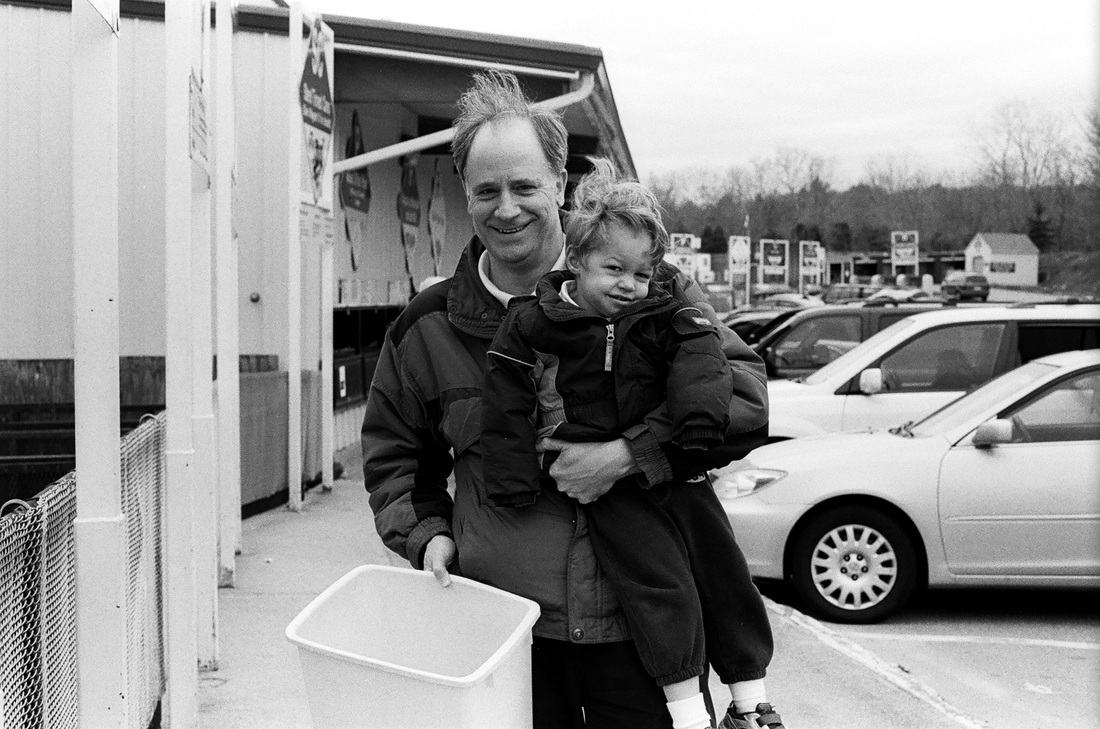
The Wellesley Recycling and Disposal Facility is an interesting example of this new consumer-centric environmentalism. Massive mounds of trash and yard waste inhabit the facility, but it also has a reusable section for people to drop off and pick up unwanted treasures. Despite the overwhelming visual representation of consumption in the stacks of trash, old oil canisters, and discarded branches, "Suburban Transfer" also represents an environmental consciousness and hopefulness. Rather than buying a new stuffed animal for her granddaughter, a woman picks up a stuffed dog from the reusable section. A man teaches his young son how to recycle, holding him in one arm and the recycling bin in another. A woman scavenges for rocks and cinderblocks to use in a landscaping project. These images attempt to show the intersection of activism and art and the blurry line between a visual description and a visual statement.