Real Boys
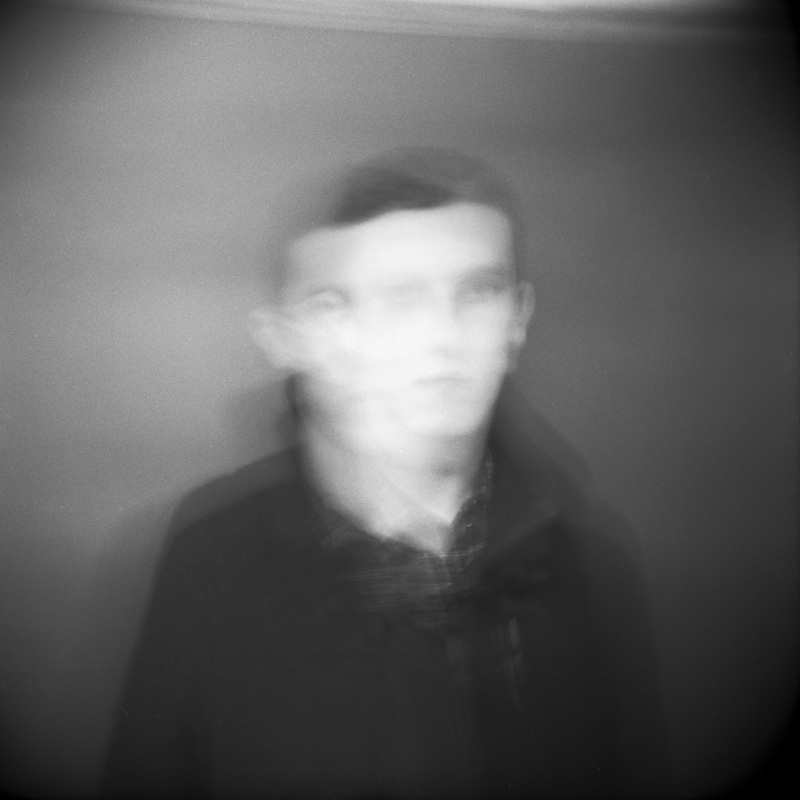
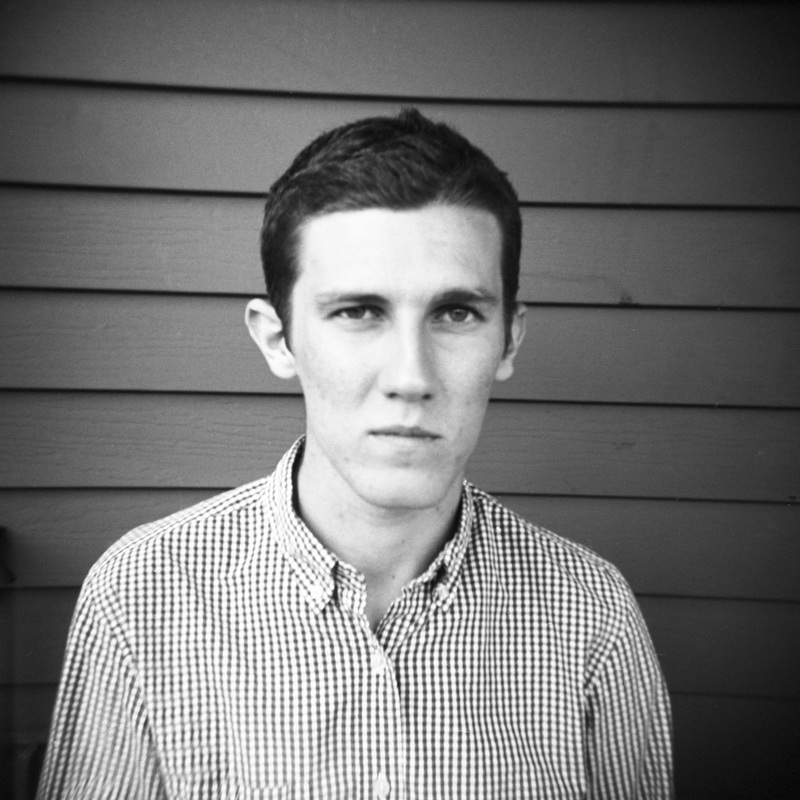
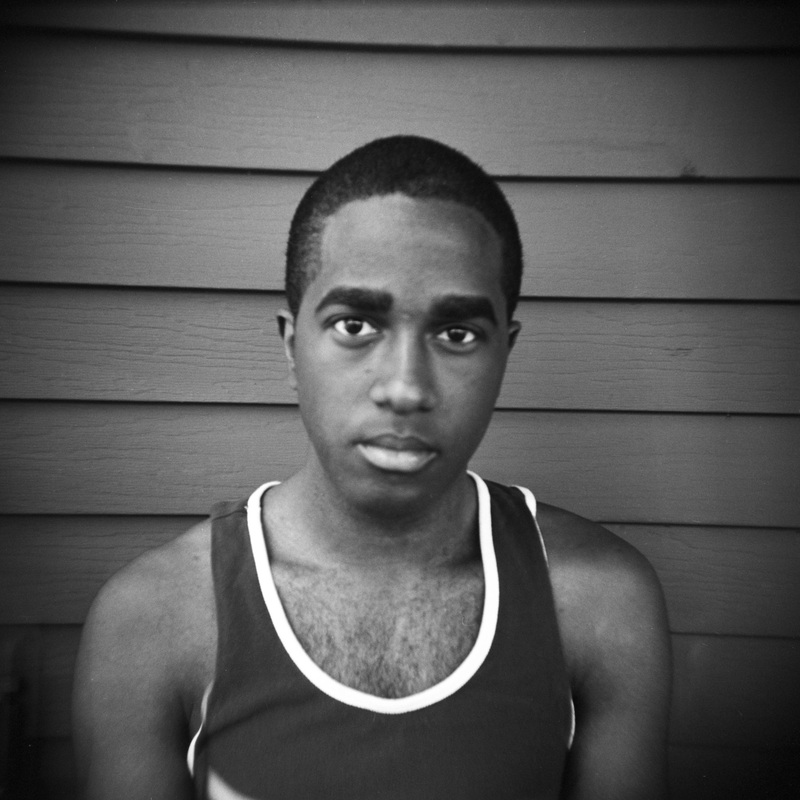
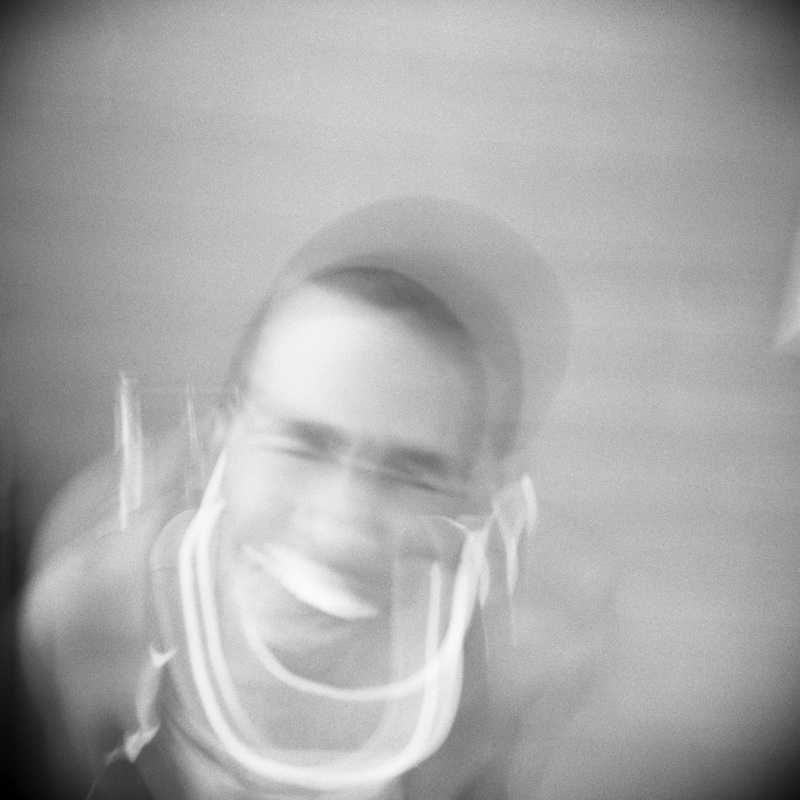
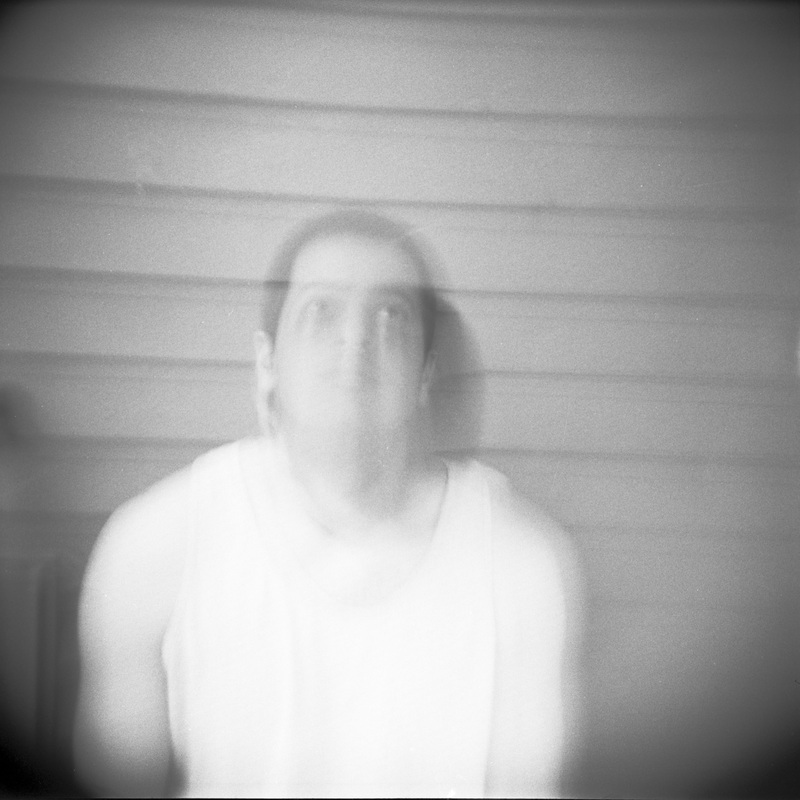
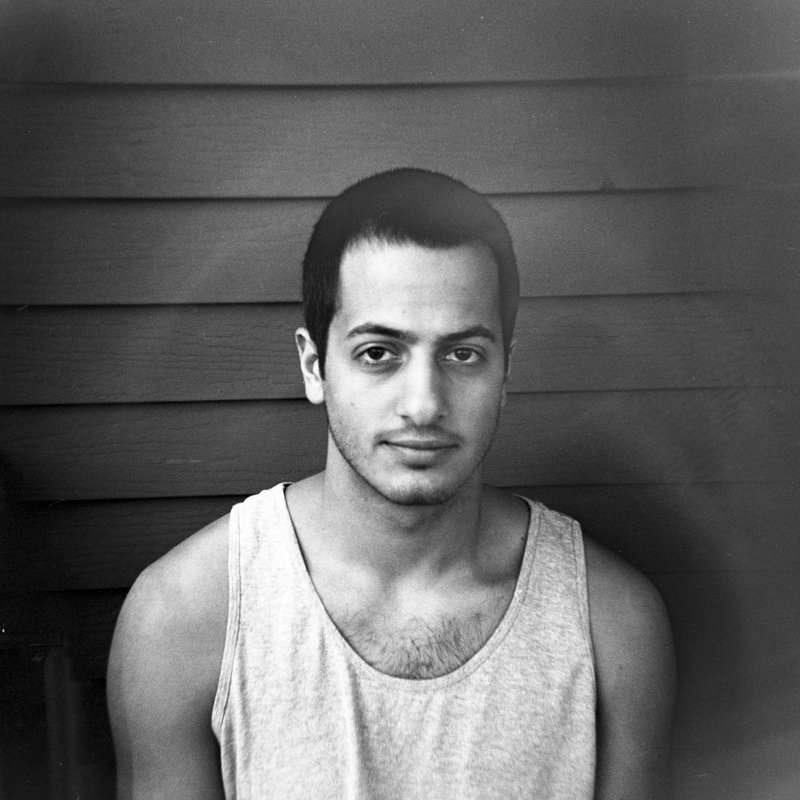
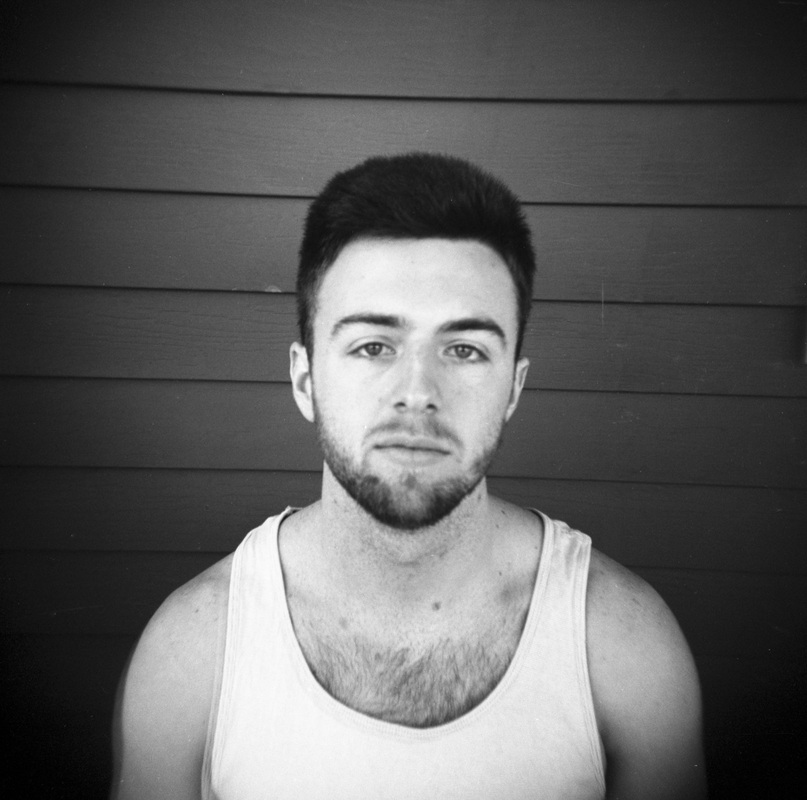
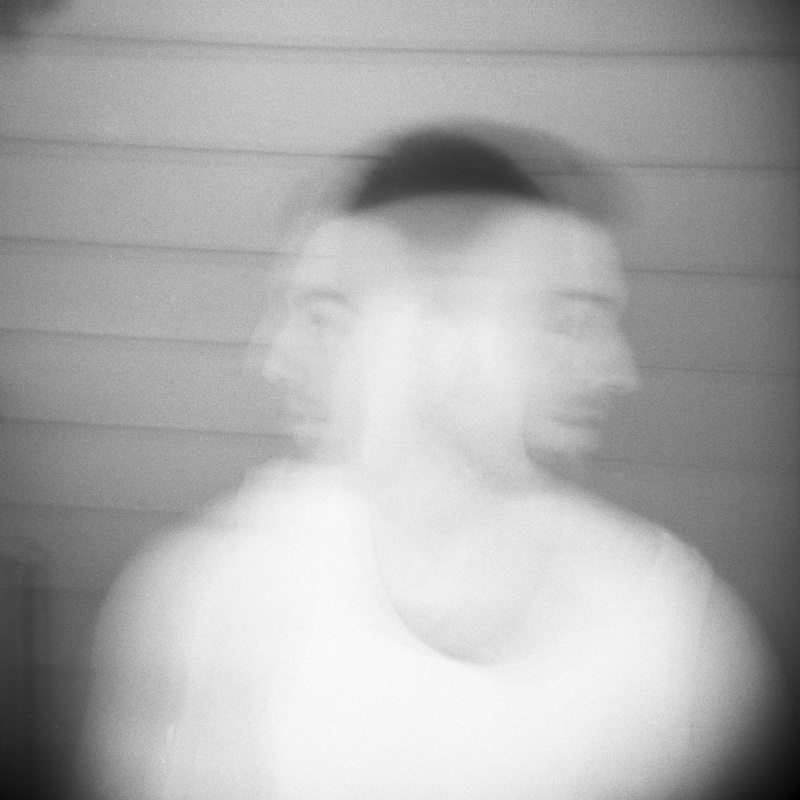
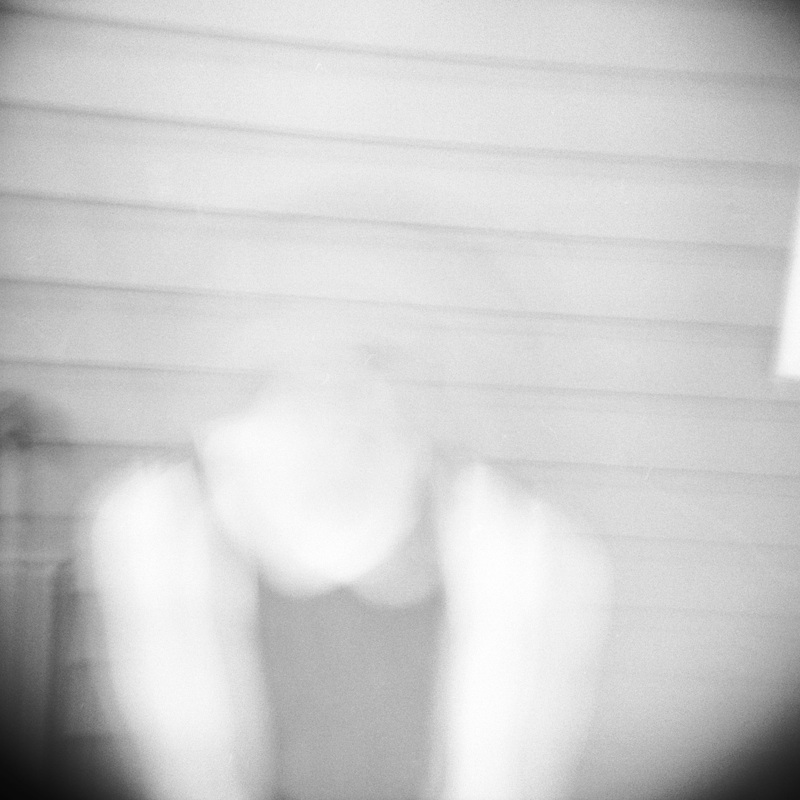
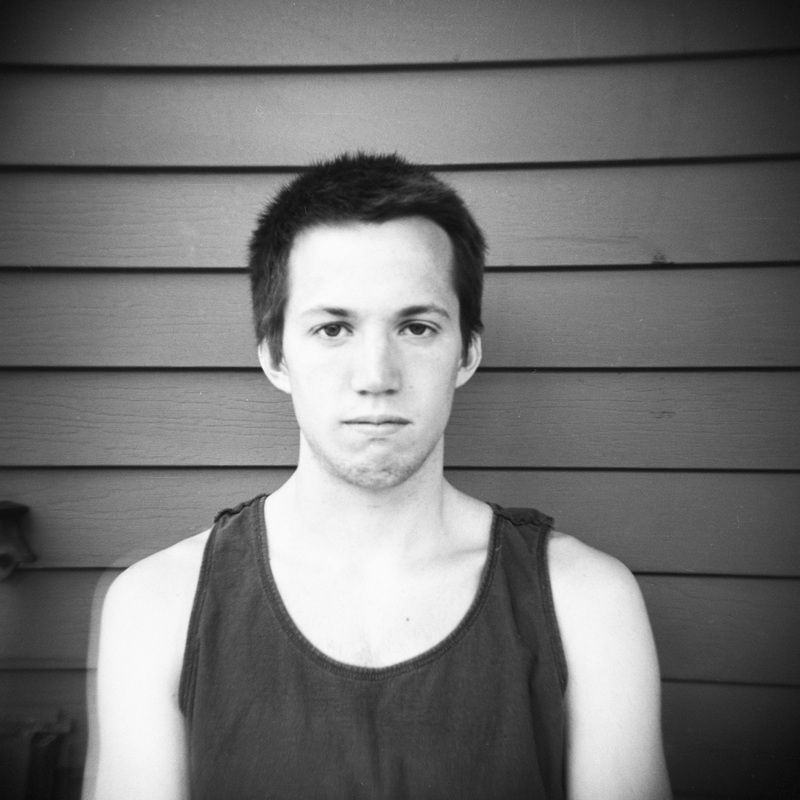
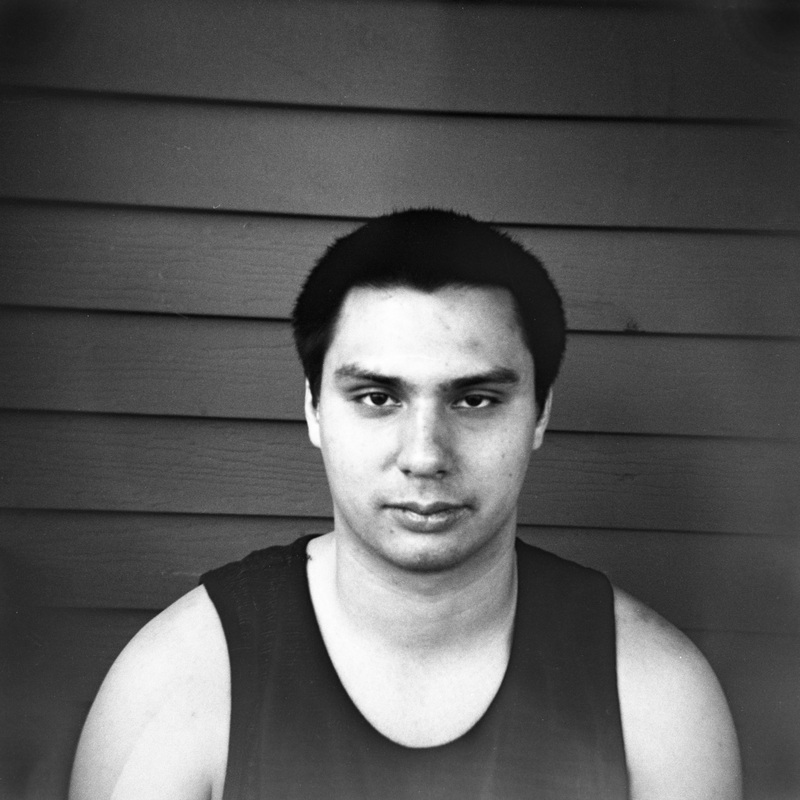
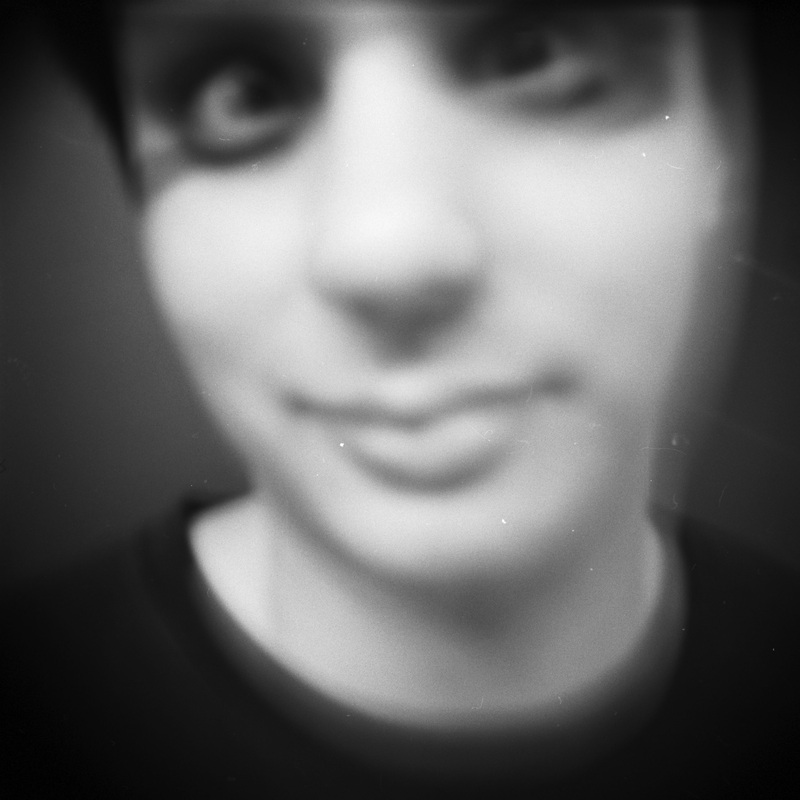
Real Boys. Spring 2014. Holga 120N camera and Tri-X 400 black & white film. Medford, MA.
Photography is often misunderstood as a medium that depicts reality. Yet, like everything else, it is subjective. So instead of capturing facts, I hunt for atmospheres, characters and mysteries to tell stories. The Holga is the perfect tool for this. Made entirely of plastic and retailing for $24.99, the Holga gives the photographer limited control over her image. There are two aperture settings: sunny and thunderstorms, four focus distances (ranging from one person to a mountain), and one shutter speed. Its lack of uniformity combined with vignetted corners, blur and other imperfections remind us that the photograph is not a reproduction of a moment but rather a new story entirely. Photographs do not tell a merely freeze time and they do not escape the photographer's perspective. The Holga is happy to remind us of this.
As a female photographer and a student of art history, I am interested in gender and how it is approached in portraiture. The diptychs in Real Boys place two portraits of the same man side by side, asking viewers to come up with their own interpretation of his character. Yet both images leave nagging questions. The blurred photographs offer scant visual information as facial features are entirely absent or marred towards abstraction. Despite their obscured features, the blurred portraits provide an emotional entry point into the subject. By contrast, the deadpan portraits lack emotion and expression. On their own, these stripped-down, static images of men are unable to convey a complete person. Just as photographs cannot represent a complete reality, these essentialized masculine portraits fail to represent men completely.